
Image SEO for SaaS Screenshots, WordPress Themes and Software Reviews in 2026
Optimize SaaS screenshots, WordPress theme previews and software review images for Google Search, Discover and AI visibility in 2026.
Software websites depend on visuals: product screenshots, dashboards, comparison tables, workflow diagrams and WordPress theme previews often explain more than a paragraph of marketing copy. In 2026, Google’s preferred-image guidance gives SaaS and software publishers a clearer framework for selecting representative images for Search and Discover while reinforcing long-standing accessibility and performance practices.
Quick takeaway: Use original, high-resolution, crop-safe visuals; write descriptive alt text; specify the preferred page image; and make screenshots useful enough to explain the product rather than merely decorate the article.
What You Will Learn
- What changed in 2026 and why it matters
- How to apply the guidance without chasing unsupported shortcuts
- A practical implementation workflow
- How to measure results and avoid common mistakes
- A final checklist your team can reuse
Why Software Images Need a Different SEO Workflow
A SaaS screenshot is not the same as a lifestyle photograph. It may contain interface text, charts, filters and navigation that become unreadable when reduced to a search thumbnail. A WordPress theme preview may look excellent at full desktop width but lose its key layout when automatically cropped.
The image workflow therefore needs two goals: communicate the product clearly at article size and remain understandable in smaller previews. This often means creating a dedicated editorial hero instead of using a raw full-screen screenshot as the preferred image.
Preferred Images for Reviews and Product Guides
Google says site owners can influence preview selection with supported metadata such as schema.org image properties and og:image. Choose the image that best represents the page’s central promise.
For a WordPress theme review, that may be a clean homepage preview with the theme name and visual identity visible. For a SaaS comparison, it may be a neutral side-by-side workflow illustration rather than a logo collage. Avoid setting the site logo as the preferred image when a page-specific visual is available.
ALT Text for Screenshots and Theme Previews
Alt text should communicate what the screenshot shows and why it matters. ‘Dashboard screenshot’ is too vague; ‘CRM pipeline dashboard showing deal stages and forecast totals’ is more useful. For a theme preview, describe the visible layout or template type rather than stuffing the theme name repeatedly.
When an image already contains extensive interface text, do not attempt to transcribe every visible word into the alt attribute. Focus on the informational purpose of the image.
How image SEO for SaaS, WordPress themes and software reviews Fits Into a Wider Search Strategy
image SEO for SaaS, WordPress themes and software reviews should not be treated as a stand-alone tactic. It works best when the site already has a clear information architecture, crawlable pages, reliable internal links, useful content and a measurement process. For software publishers, SaaS marketers, affiliate reviewers and WordPress theme stores, the practical question is not whether to chase every new Search feature, but how to connect the feature to the existing operating rhythm for publishing, technical SEO, analytics and conversion improvement.
A strong team records assumptions before making changes. That means documenting what visibility is expected to improve, which pages are affected, what supporting work is required and what evidence would count as success. This reduces the temptation to declare victory based on a single screenshot or temporary movement. It also makes it easier to reverse a low-value change and preserve the parts of the site that are already working.
Measurement: What to Track for image SEO for SaaS, WordPress themes and software reviews
Measurement should combine first-party evidence with business context. Track image-search visibility, Discover traffic, article engagement, product-detail visits and conversion assists, but also watch page-level engagement, conversions, assisted conversions, branded demand and the quality of the landing pages receiving visibility. A metric can improve while business value stays flat, so reporting should always explain what changed and why the change matters.
Use weekly and monthly comparisons for strategic decisions, then annotate major releases, content updates, template changes and indexing events. When a metric moves, compare the timing with those events before assigning a cause. This is particularly important in AI and Search reporting because interfaces, models and result formats can change while the underlying page remains unchanged.
Examples and Decision Scenarios
A WordPress theme store uses tall full-page screenshots as Open Graph images. Social and Discover previews crop away the theme’s hero area. The store creates a 16:9 editorial preview that keeps the theme identity and key layout inside the central safe region.
A SaaS review includes ten screenshots named image1.png through image10.png. The publisher renames files descriptively, writes useful alt text and adds captions explaining the workflow shown in each screen.
A comparison article uses a logo collage as its preferred image. The publisher replaces it with an original comparison dashboard that visually reflects the article’s decision criteria, making the preview more representative.
Image Performance and WordPress
WordPress sites should generate sensible responsive sizes, compress uploads and avoid serving a 4000-pixel original when a 1200- or 1600-pixel version is enough. Modern formats can reduce transfer size, but compatibility, CMS configuration and CDN behavior should be tested before changing production image handling.
For AutomationToolLab themes, keep image areas responsive and verify how hero images crop on mobile, tablet and desktop. A theme that looks good only at one viewport can undermine both user experience and editorial consistency.
Operating Rhythm for the First 90 Days
During the first month, establish a baseline for image SEO for SaaS and document the current configuration before changing anything. Capture the relevant Search Console views, the important URLs, current metadata, ownership and any automation already in place. The purpose is to create a reference point so later performance changes can be evaluated against a known state rather than memory.
During the second month, make a small number of prioritized changes rather than a site-wide rewrite. Choose pages with clear business value and enough data to evaluate. Record who owns each change, the exact deployment date and the expected outcome. This makes the work easier to review and reduces the risk of confusing several simultaneous interventions.
During the third month, evaluate performance using the same measurement window used at baseline. Keep improvements that have clear user or operational value, refine ambiguous changes, and reverse experiments that create complexity without benefit. Convert what worked into a repeatable checklist so the process becomes part of normal website operations.
Governance, Ownership and Documentation
SEO changes are more reliable when ownership is explicit. Decide whether the editor, SEO lead, developer, product marketer or community manager is responsible for the configuration and who approves production changes. Document the expected state in a shared operating note so future team members do not have to reverse-engineer why a setting exists.
Keep backups before changes that affect indexing, templates, metadata or public URLs. For high-impact technical work, use staging or a private preview when possible, validate the output, and deploy only the intended files or settings. A simple rollback plan is often more valuable than an elaborate optimization theory when a production issue appears.
For AutomationToolLab, every new article should also be reviewed for overlap with existing topics before publication. Avoid publishing near-duplicates simply because a new phrase is trending. A strong content library grows through complementary intent coverage, internal linking and periodic refreshes, not through many pages competing for the same query.
How to Review Quality Before Publishing
Run a factual review against the current first-party documentation cited in the article. Search features and platform behavior change frequently, so claims about availability, reporting dimensions, ranking effects or technical requirements should be verified before the publish button is pressed.
Then review the page from a reader’s perspective. Check whether the introduction answers why the topic matters, whether examples are concrete, whether headings help scanning, whether screenshots or illustrations explain the text, and whether the call to action fits the page intent. Remove paragraphs that only repeat earlier statements.
Finally, validate the production details: canonical URL, indexability, title, meta description, featured image, alt text, internal links, outbound references, categories and tags. The best article can still underperform if technical publishing errors prevent it from being discovered or make it difficult to use.
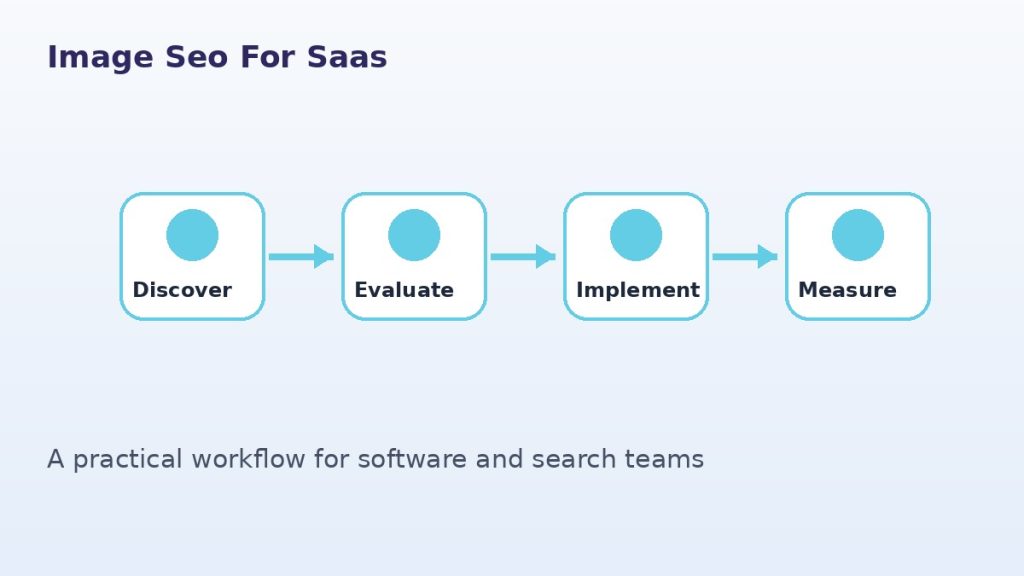
Practical Implementation Workflow
Step 1: Choose the page’s visual job
Decide whether the preferred image should explain a workflow, show a product UI, preview a theme or summarize a comparison.
Step 2: Create a crop-safe hero
Use a wide high-resolution image with important visual information away from the edges.
Step 3: Optimize screenshots individually
Use descriptive filenames, useful alt text, captions where helpful and appropriate responsive sizes.
Step 4: Set preferred-image metadata
Review Open Graph and structured-data image fields in WordPress so the chosen hero is consistently referenced.
Step 5: Test real previews
Check social cards, mobile layouts, theme templates and Search/Discover performance where data is available.
Common Mistakes to Avoid
- Using raw 4K screenshots everywhere: Oversized files waste bandwidth and can slow product and review pages.
- Embedding tiny interface text in hero images: Text becomes unreadable in thumbnail crops; simplify the composition.
- Repeating keywords in every alt attribute: Describe the actual visual instead of using alt text as a ranking field.
- Forgetting mobile crops: Theme and review images should keep their main subject visible across responsive layouts.
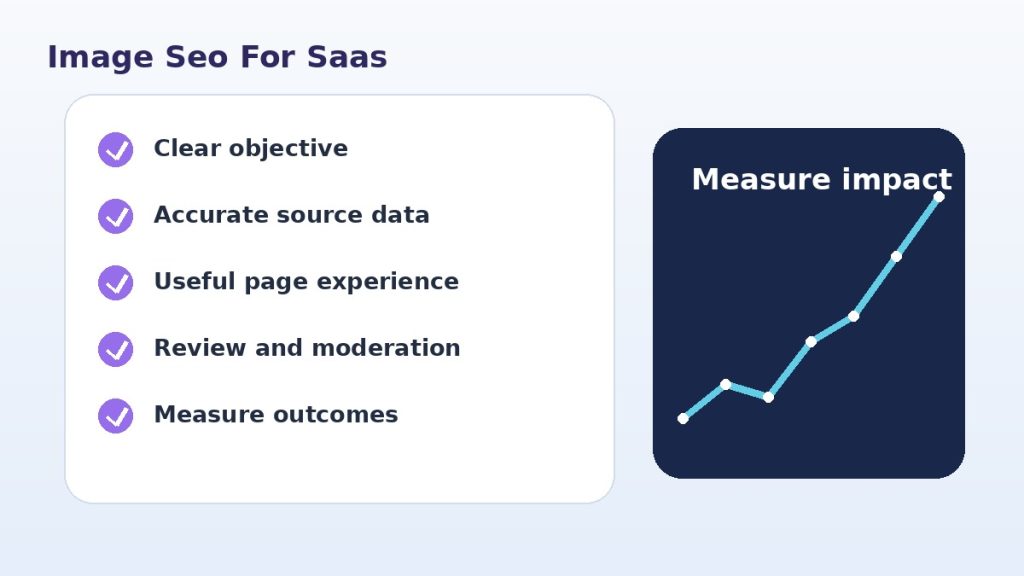
2026 Implementation Checklist
- Page-specific preferred image selected.
- Wide high-resolution hero created.
- Crop-safe subject positioning verified.
- Screenshot filenames descriptive.
- Alt text explains the visible workflow or layout.
- Open Graph and structured-data image references checked.
- Responsive image sizes generated.
- Mobile and desktop rendering tested.
Related Guides and Resources
- WordPress Themes
- SEO Tools Guides
- SEO Tool Stack for Small Businesses
- AutomationToolLab Guides
- Google: Image SEO best practices
- Google: Discover guidance
Frequently Asked Questions
Should a software review use the vendor logo as its hero?
Usually a page-specific screenshot or editorial visual is more representative than a generic logo.
How wide should a Discover-oriented image be?
Google recommends at least 1200 pixels wide and a high-resolution image with more than 300,000 total pixels.
Can screenshots rank in Google Images?
They can be discovered when the image and landing page provide useful context and are crawlable.
Do WordPress themes need special image SEO?
The principles are the same, but theme previews require careful responsive cropping and strong performance because they are highly visual product assets.
Final Screenshot and Theme Preview QA
Before publishing a software review or WordPress theme guide, inspect the final page on desktop and mobile rather than trusting the media-library preview. Confirm that screenshots remain readable, the main subject survives responsive cropping, and no important interface detail is hidden behind captions or overlays. Check that the preferred image still represents the page accurately when reduced to a small social or search preview.
Also review loading behavior. Large screenshots should be compressed to sensible dimensions, responsive image variants should be available, and below-the-fold visuals should not delay the first useful content. This final QA connects image SEO with accessibility, page experience and practical software evaluation.
Final Recommendation
For software content, the strongest image is both editorially useful and technically optimized. Show the product or theme clearly, design for real thumbnail crops, describe visuals accurately, and keep file size and responsive behavior under control.
Editorial Review Notes
Review Note 1: Preserve Evidence and Context
When evaluating this area, preserve the evidence that led to the decision. Keep the original metric, the changed state, the deployment date, the affected URLs and the person responsible for review. This makes future analysis more reliable because the team can distinguish a real site change from seasonality, reporting changes, crawler behavior or normal fluctuations. If the result is uncertain, keep the conclusion narrow and continue measuring rather than expanding the claim to the entire site.
Review Note 2: Preserve Evidence and Context
When evaluating this area, preserve the evidence that led to the decision. Keep the original metric, the changed state, the deployment date, the affected URLs and the person responsible for review. This makes future analysis more reliable because the team can distinguish a real site change from seasonality, reporting changes, crawler behavior or normal fluctuations. If the result is uncertain, keep the conclusion narrow and continue measuring rather than expanding the claim to the entire site.
Review Note 3: Preserve Evidence and Context
When evaluating this area, preserve the evidence that led to the decision. Keep the original metric, the changed state, the deployment date, the affected URLs and the person responsible for review. This makes future analysis more reliable because the team can distinguish a real site change from seasonality, reporting changes, crawler behavior or normal fluctuations. If the result is uncertain, keep the conclusion narrow and continue measuring rather than expanding the claim to the entire site.
Review Note 4: Preserve Evidence and Context
When evaluating this area, preserve the evidence that led to the decision. Keep the original metric, the changed state, the deployment date, the affected URLs and the person responsible for review. This makes future analysis more reliable because the team can distinguish a real site change from seasonality, reporting changes, crawler behavior or normal fluctuations. If the result is uncertain, keep the conclusion narrow and continue measuring rather than expanding the claim to the entire site.
Review Note 5: Preserve Evidence and Context
When evaluating this area, preserve the evidence that led to the decision. Keep the original metric, the changed state, the deployment date, the affected URLs and the person responsible for review. This makes future analysis more reliable because the team can distinguish a real site change from seasonality, reporting changes, crawler behavior or normal fluctuations. If the result is uncertain, keep the conclusion narrow and continue measuring rather than expanding the claim to the entire site.
Review Note 6: Preserve Evidence and Context
When evaluating this area, preserve the evidence that led to the decision. Keep the original metric, the changed state, the deployment date, the affected URLs and the person responsible for review. This makes future analysis more reliable because the team can distinguish a real site change from seasonality, reporting changes, crawler behavior or normal fluctuations. If the result is uncertain, keep the conclusion narrow and continue measuring rather than expanding the claim to the entire site.
Related Software Guides